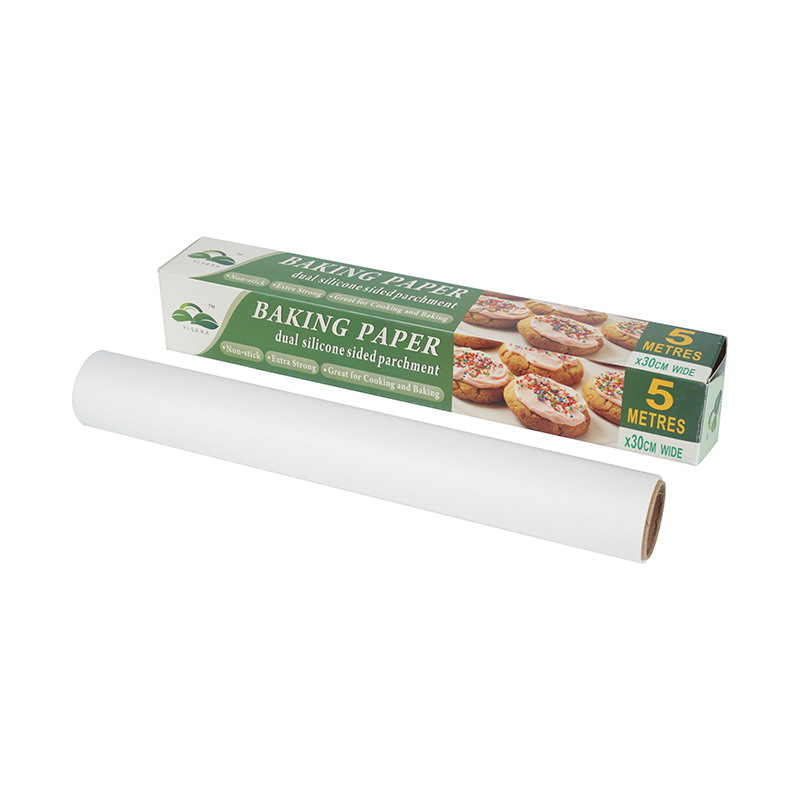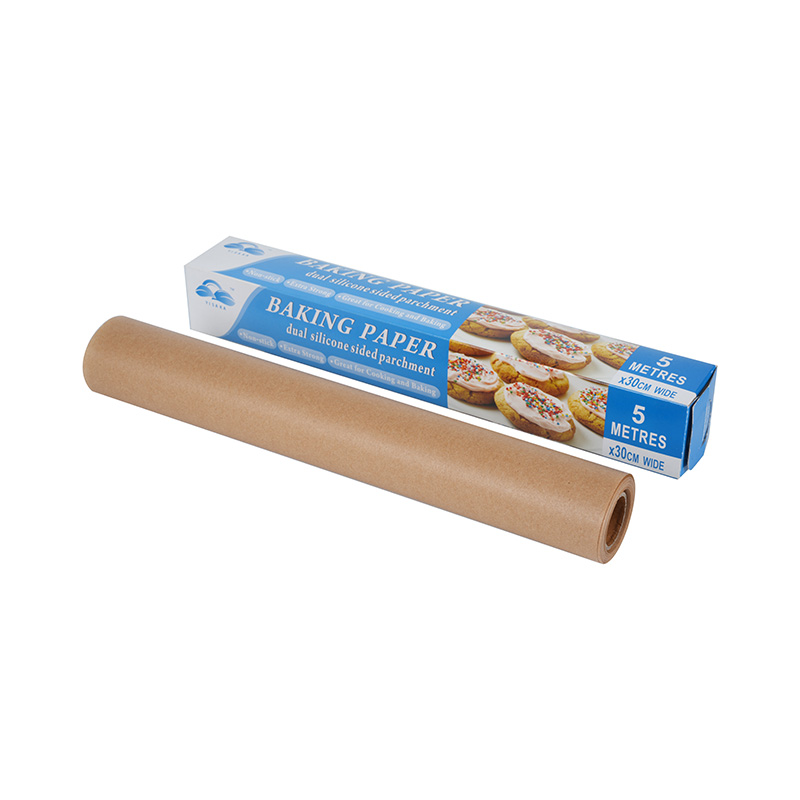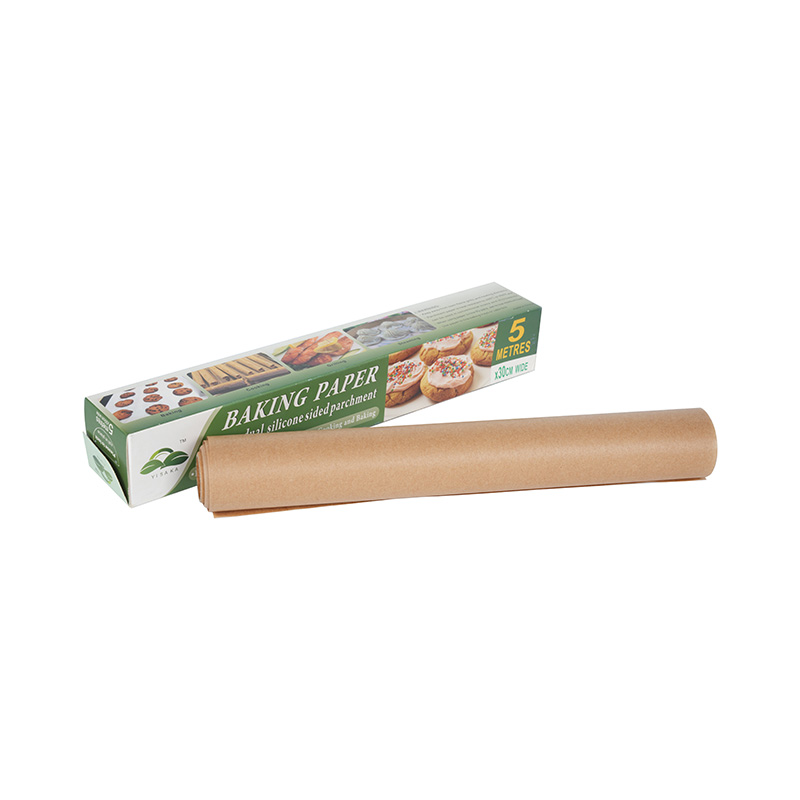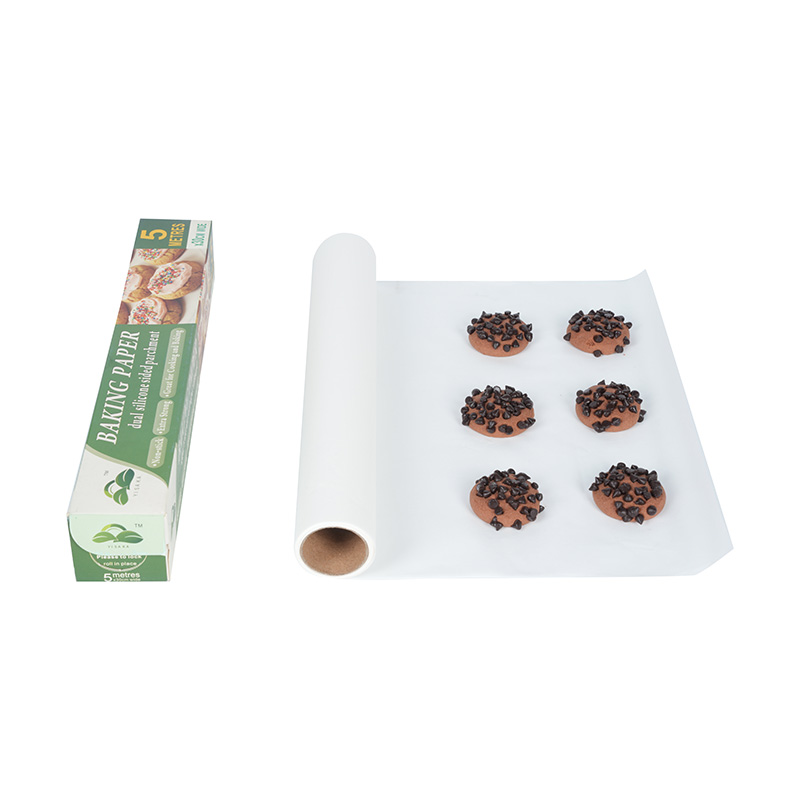

What Are Cooking Paper Sheets, Exactly?
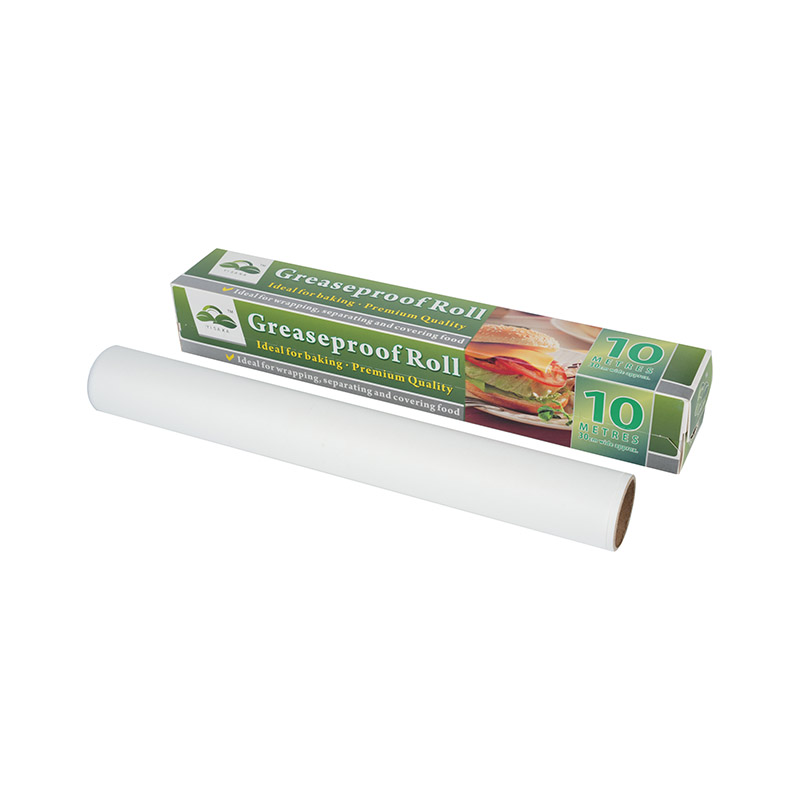
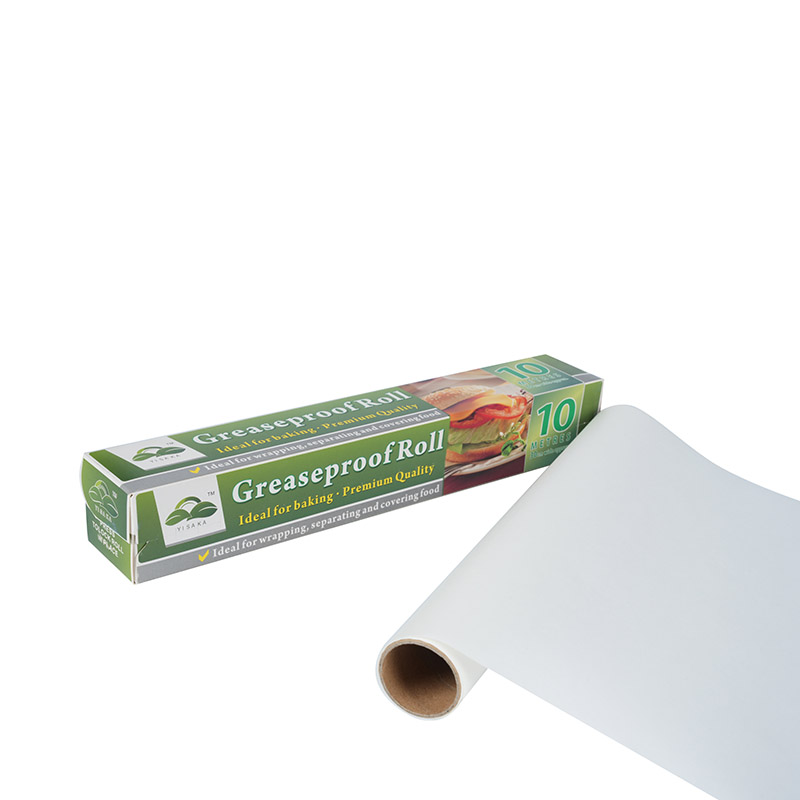
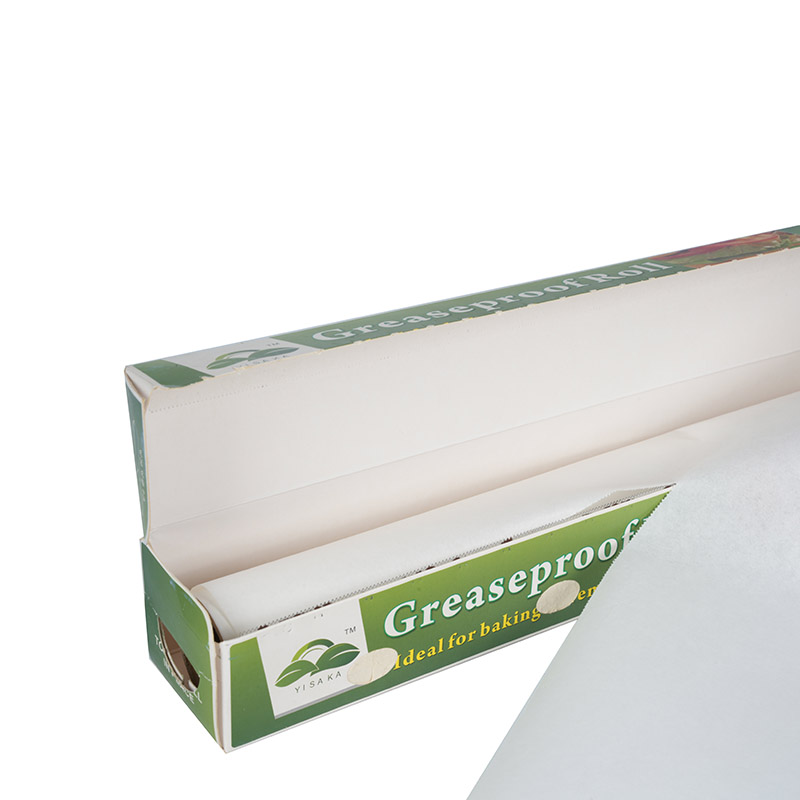
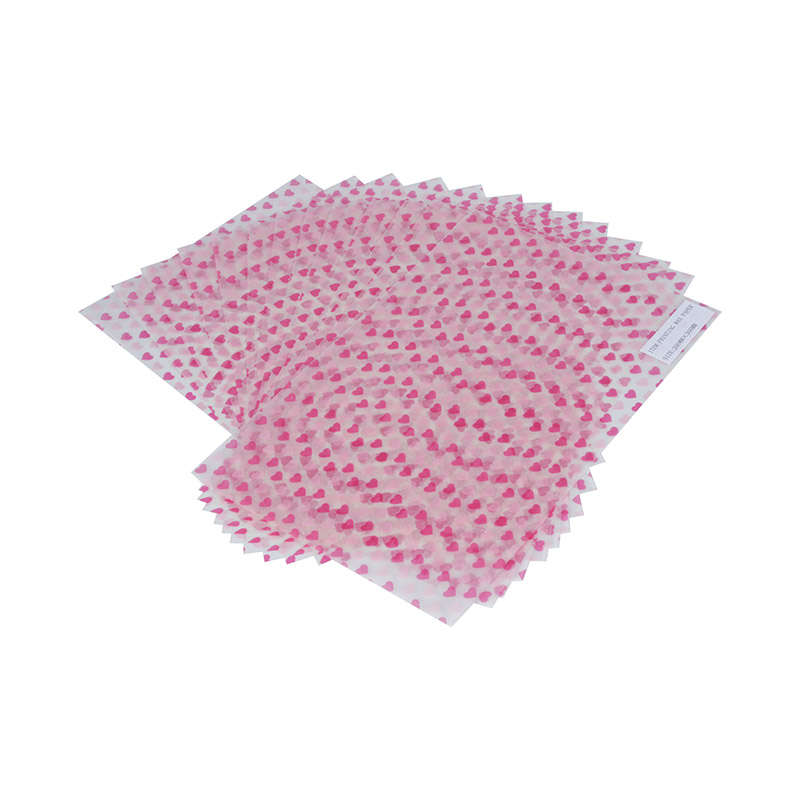
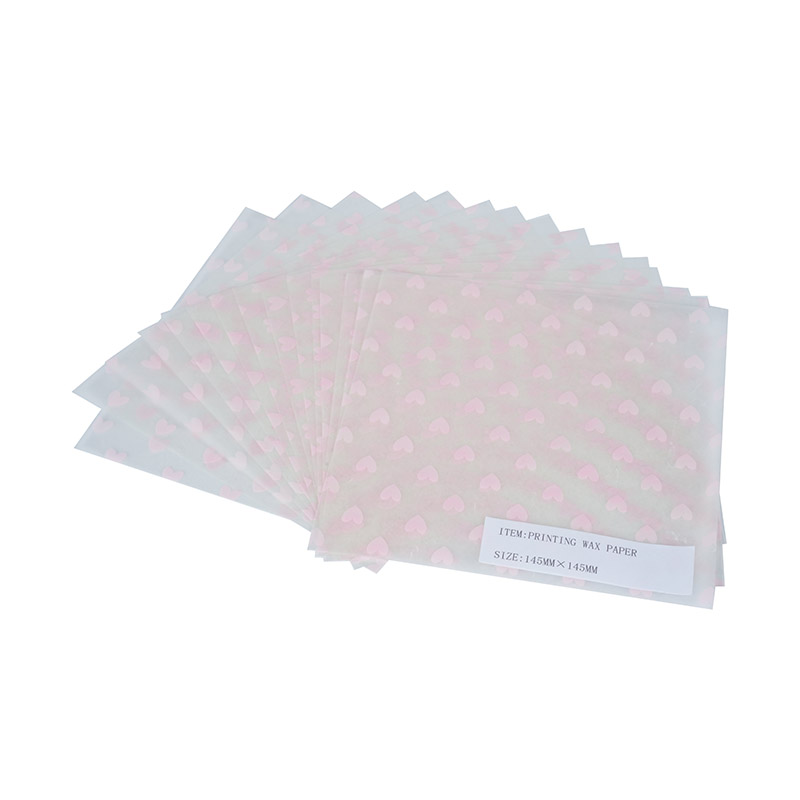
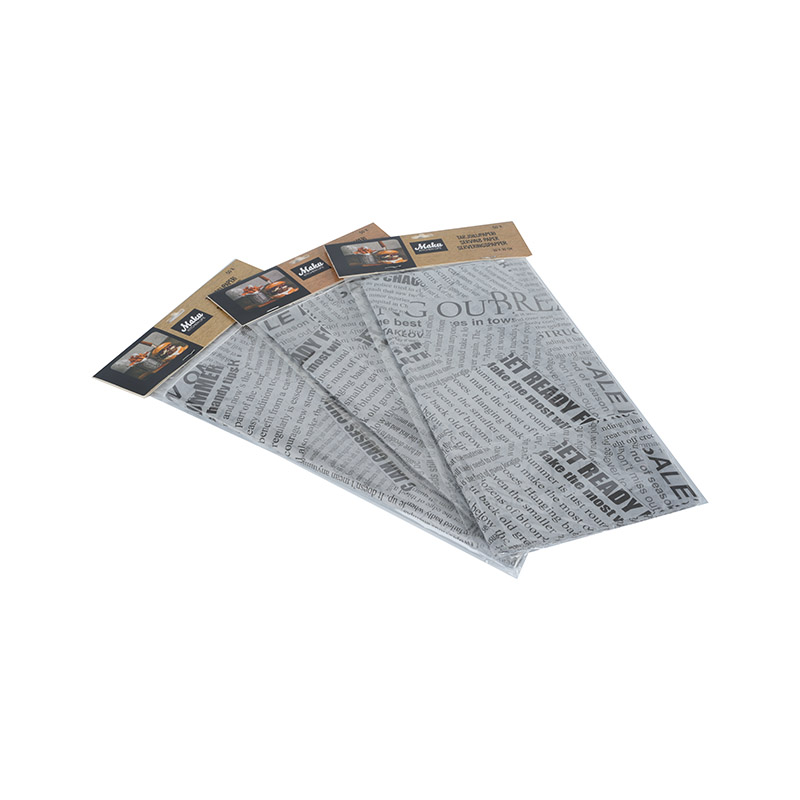
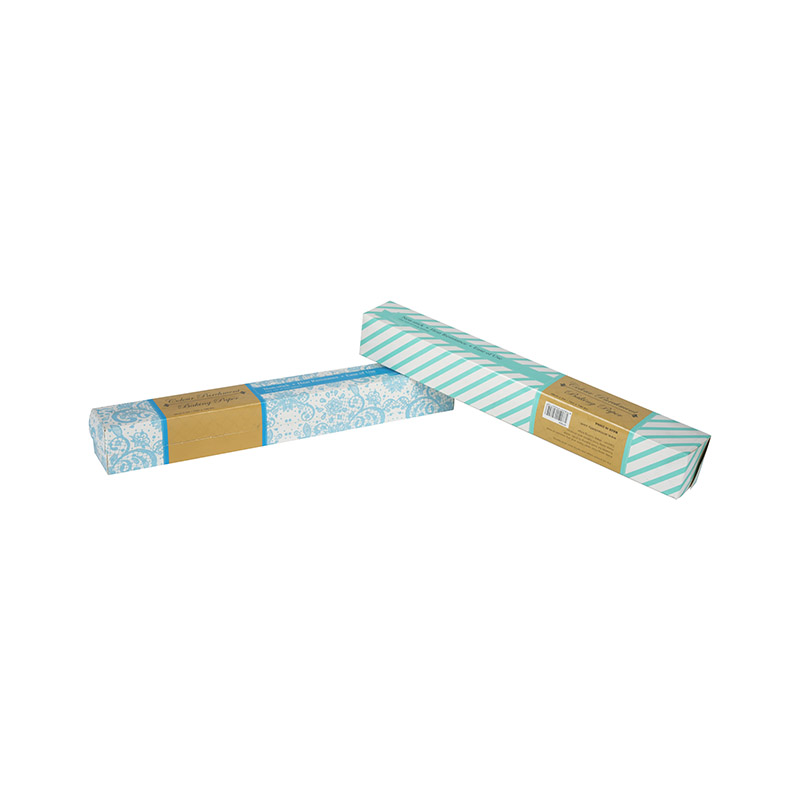
Cooking paper sheets are pre-cut, non-stick sheets made from parchment paper that are designed to line baking trays, pans, and air fryer baskets. Unlike a roll of parchment paper that you have to measure and cut yourself, these sheets come ready to use in standard sizes, which saves time and cuts down on waste. They're typically coated with a thin layer of silicone, which gives them their signature non-stick surface and allows them to handle oven temperatures without burning, smoking, or sticking to whatever you're cooking. Because they're flat and pre-sized, cooking paper sheets have become a go-to choice for home bakers, meal preppers, and anyone who wants cleanup to be as quick as the cooking itself.
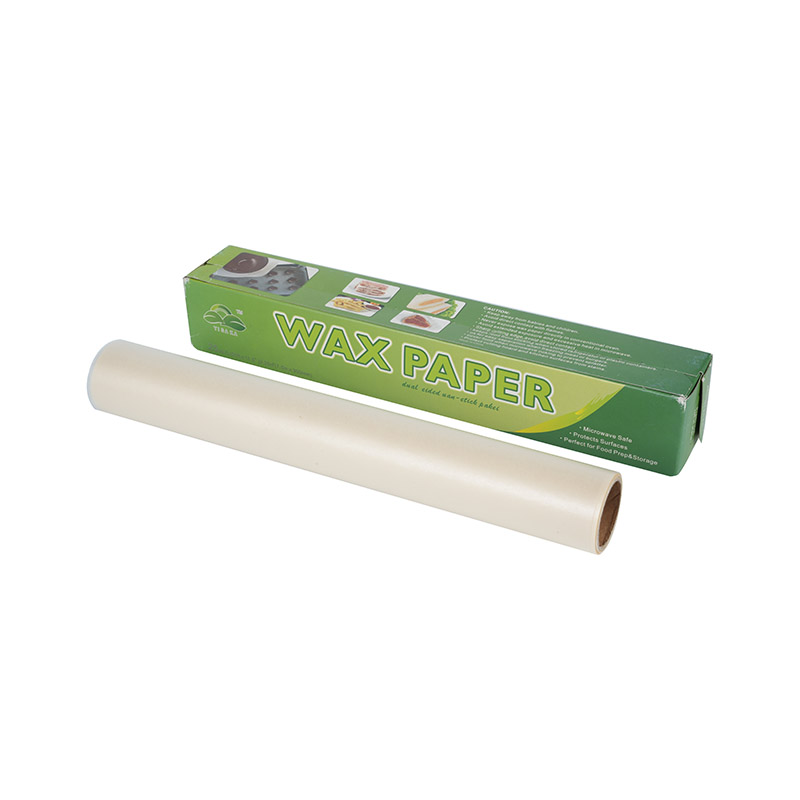
These sheets differ from wax paper and aluminum foil in a few important ways. Wax paper isn't oven-safe and will melt or smoke at baking temperatures, so it's only suitable for cold food storage or room-temperature tasks. Foil, on the other hand, can react with acidic foods and doesn't offer the same non-stick properties unless heavily greased. Cooking paper sheets sit in the middle, offering heat resistance, a naturally non-stick surface, and the convenience of being disposable after a single use.
Everyday Uses in the Kitchen
Cooking paper sheets show up in far more places than just cookie baking. Their non-stick, heat-resistant surface makes them useful any time food needs to cook without sticking to a pan or tray, and any time cleanup needs to be fast. Many people keep a stack in a kitchen drawer specifically because they cut down on scrubbing baked-on grease and burnt sugar from trays.
Common Ways People Use Them
- Lining baking sheets for cookies, pastries, and bread
- Lining air fryer baskets to prevent food from sticking to the mesh
- Wrapping fish or vegetables for an en papillote-style steamed dish
- Rolling out sticky dough without flour sticking everywhere
- Lining cake pans for easy release after baking
- Separating layers of food like burger patties or dumplings before freezing
Choosing the Right Type for Your Needs
Not all cooking paper sheets are created equal, and picking the right one depends largely on what you're cooking and at what temperature. Standard unbleached sheets are a popular choice because they skip the bleaching process, making them a slightly more natural option while still performing the same non-stick function. Bleached sheets tend to look brighter white and are sometimes preferred for presentation purposes, though performance-wise they work the same way. There are also heavy-duty sheets designed for higher oven temperatures, which matter if you frequently roast at 450°F or higher, since cheaper sheets can sometimes scorch at the edges under prolonged high heat.
Comparing Common Options
| Type | Best Temperature Range | Good For |
| Unbleached sheets | Up to 420°F | Everyday baking, cookies, roasted vegetables |
| Bleached sheets | Up to 420°F | Presentation-focused baking, pastries |
| Heavy-duty sheets | Up to 450-500°F | High-heat roasting, broiling-adjacent tasks |
| Pre-cut air fryer sheets | Up to 400°F | Air fryer baskets, smaller portions |
How to Use Cooking Paper Sheets Safely and Effectively
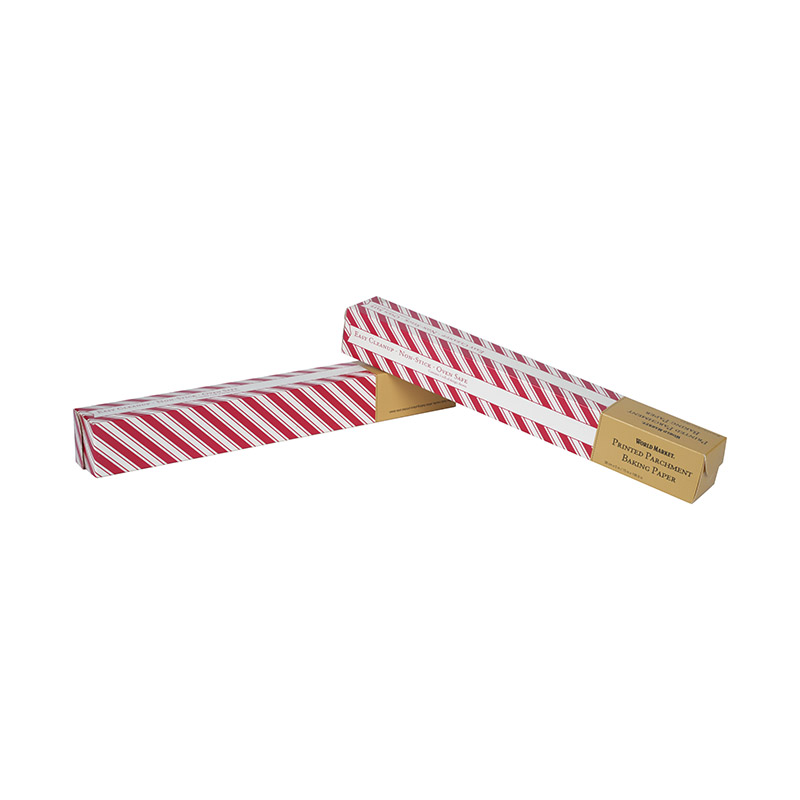
Getting the best results from cooking paper sheets is mostly about respecting temperature limits and using them the way they're intended. Always check the packaging for the maximum safe temperature, since most standard sheets are rated up to around 420 to 450°F. Going beyond that range can cause the edges to brown, smoke, or even catch fire in extreme cases, so it's worth choosing a heavy-duty sheet if a recipe calls for high heat or broiling. It also helps to make sure the sheet lies flat against the tray or basket rather than curling up near a heat source, which is a common cause of scorching at the edges.
Practical Tips for Best Results
- Check the package for the maximum heat rating before using in a hot oven
- Trim sheets to fit smaller pans instead of letting edges hang over heating elements
- Avoid using them under a broiler unless the packaging specifically allows it
- Use a slightly damp sheet when rolling sticky dough so it stays in place
- Store sheets flat in a drawer to prevent creasing and tearing before use
Are They Reusable, and How Should You Dispose of Them?
One of the most common questions about cooking paper sheets is whether they can be reused. In most cases, a sheet can be used more than once as long as it hasn't been heavily soiled with grease, sugar, or burnt residue, and as long as it hasn't scorched or become brittle from heat exposure. Reusing a sheet for a second batch of cookies, for example, is generally fine, but using the same sheet for greasy meats and then a delicate pastry isn't ideal for flavor or hygiene reasons. Once a sheet becomes discolored, brittle, or starts to tear, it's time to swap in a fresh one.
When it comes to disposal, most unbleached cooking paper sheets are compostable as long as they aren't coated in excessive grease or food residue, making them a more eco-conscious alternative to foil. Checking the packaging for compostable or biodegradable labeling can confirm whether a specific brand supports this kind of disposal. For sheets that are heavily soiled, regular trash disposal is the simplest option, though composting remains the better choice whenever it's feasible.
Common Mistakes to Avoid When Using Them
A few small missteps can undercut the benefits of using cooking paper sheets in the first place. Using them in place of foil when a recipe calls for direct grilling or stovetop searing simply doesn't work, since these sheets are designed for oven use, not direct flame or high stovetop heat. Overlapping multiple sheets to cover a larger tray can also create uneven cooking, since the overlapping edges trap moisture differently than the rest of the surface. Lastly, assuming all cooking paper sheets are interchangeable with wax paper is a frequent error that can lead to smoking ovens and ruined batches, since wax paper simply isn't built for heat the way these sheets are.